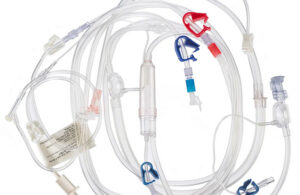
Hemodialysis bloodlines had been on the FDA’s medical device shortage list since 2025. [Photo courtesy of B. Braun]
The agency says a shortage of bloodlines used in dialysis has ended, but extended the estimated shortage duration for stereotactic breast biopsy needles, endoscopic vessel harvesting systems and oxygenator devices intended for extracorporeal circulation.
Those device shortages are now expected to last through the first quarter of 2027.
Hemodialysis bloodlines (product code FJK) have been on the list since March 2025. More recently, the FDA and B. Braun warned customers that a tubing material change appeared to be the cause of a potentially serious problem with the bloodline sets and recommended the use of alternate equipment.
With the removal of hemodialysis bloodlines, the medical device shortage list now totals six product codes.
In the update, the agency published a letter to healthcare providers recommending strategies to conserve stereotactic breast biopsy needles due to a manufacturing disruption. The biopsy instruments were added to the FDA’s medical device shortage list in March 2026.
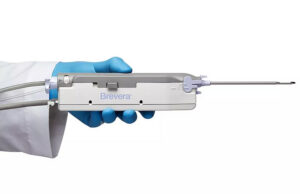
The Hologic Brevera Breast Biopsy System uses disposable needles for tissue acquisition. [Photo courtesy of Hologic]
Hologic said it’s significantly increasing the supply of Eviva biopsy needles, “backed by major investments in our internal manufacturing, including additional personnel resources and expanded manufacturing shifts.”
In an internal review of postmarket data, Hologic found 108 complaints over a three-year period in which 677,307 of its disposable 9 gauge needles shipped. Sixteen reported cases confirmed particles were left in the patients’ breast tissue and/or remained in a tissue sample post-biopsy. In one complaint, a procedure was aborted, the manufacturer said. The FDA initiated a Class 2 recall of the product in February.
“The particulate originating from the device may include 304 stainless steel small fragments from a broken needle or Ultra High Molecular Weight Polyethylene from the cut block in the needle,” Hologic said.
“If particulate matter originating from the device is left behind in a patient post-biopsy, potential adverse effects such as foreign body reaction, hematoma/hemorrhage, and infection may arise,” the FDA said. “If particulate matter enters a biopsy specimen, an additional biopsy procedure may be required due to contamination of the specimen.”
Related: A boy’s death is a tragic example of foreseeable risk in device design
The FDA recommended providers affected by the shortage “expand supplier networks with vendor diversification, diversify and utilize all needle gauges and lengths to avoid dependence on limited ‘standard’ inventory, utilize prior-generation devices where clinically appropriate and limit unnecessary opening/wasting of devices.”
In addition to the biopsy needles, devices with continued shortages include endoscopic vessel harvesting devices (product code GEI), oxygenator devices intended for extracorporeal circulation used in long-term support greater than six hours (product code BYS) and oxygenator devices intended for extracorporeal circulation in cardiopulmonary bypass (product code DTZ).
The FDA estimates that these devices will remain in shortage through the first quarter of 2027.
Angiographic control syringes with rotating adapters (product code DXT) and neurosurgical patties, sponges and strip products (product code HBA) are also on the agency’s list and are estimated to remain in shortage through the third quarter of 2026 and through the fourth quarter 2026, respectively.
The FDA also added 23 product codes to its medical device discontinuance list. Among the FDA’s latest additions to its list of permanently discontinued devices are Johnson & Johnson MedTech Ethicon sutures, and 16 AirLife respiratory products made by SunMed Group Holdings, including respiratory tubing and oxygen masks.
March 2026: FDA removes pediatric VADs from device shortage list, adds others