Coatings play a critical yet often invisible role in clean, durable and compliant production environments.
By Mark Wasil and Michael Durbin, Sherwin-Williams
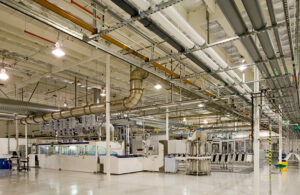
High-performance coatings for medical device facility floors, walls and ceilings help manufacturers keep operations running efficiently. [Photo courtesy of Sherwin-Williams]
For manufacturers, maintaining clean, compliant and durable production environments is no small task. Stringent regulatory requirements, frequent sterilization and the harsh conditions of production processes demand solutions that can withstand these challenges.
In our roles at Sherwin-Williams — spanning research and development and market segment management — we’ve seen firsthand how high-performance coatings for floors, walls and ceilings can help medical device manufacturers meet these challenges. These coatings enable the cleanliness, durability and compliance needed to keep operations running efficiently, helping ensure devices move seamlessly from the production floor to the physicians and patients that need them.
The role of coatings in medical device manufacturing facilities
While high-performance coatings often go unnoticed, they are fundamental to the success of medical device manufacturing. Coatings for facility surfaces should address four critical challenges manufacturers face every day:
- Cleanliness: Facilities must meet uncompromising hygiene standards to prevent contamination. Coatings create smooth, nonporous surfaces that resist dust, debris and microbial buildup so production environments remain clean and devices stay uncontaminated during manufacturing.
- Compliance: Regulatory bodies like the FDA require facilities to meet Current Good Manufacturing Practices (cGMP). High-performance coatings help manufacturers comply with these standards by providing durable surfaces that support consistent and reliable operations.
- Sterility and cleanability: Frequent sterilization is vital in medical device production. Coatings designed for both chemical resistance and easy cleanability can withstand repeated exposure to harsh disinfectants without degrading, ensuring long-term sterility and protection against microbial growth.
- Durability: Production facilities endure constant foot traffic, heavy equipment and exposure to chemicals or abrasives. High-performance coatings provide durable surfaces that resist wear, impact and corrosion, reducing maintenance downtime and preserving the integrity of the environment.
Facility coatings must deliver specific performance benefits that meet those critical challenges. Combining innovation, chemistry and precision testing can help deliver technologies for facility floors, walls, ceilings and other surfaces.
Epoxy coatings are known for durability and chemical resistance, protecting high-traffic areas from damage caused by machinery, abrasion and frequent cleaning. Polyurethane coatings offer flexibility and superior impact resistance, ideal for areas where surfaces are exposed to movement, vibration or frequent impact. Antimicrobial coatings are designed with agents to inhibit the growth of mildew or stain-causing bacteria on the surface of the coating film.
Facility coatings must undergo extensive testing to ensure they perform reliably under the extreme demands of medical manufacturing environments, helping facilities remain compliant with regulatory guidelines. Adhesion testing verifies strong bonding to substrates, chemical resistance testing ensures resilience against harsh sterilants, and durability testing simulates heavy wear to confirm long-lasting performance.
How coatings support efficient medical device production
The right coatings for manufacturing environments enhance facility performance and streamline operations.
Quick-curing coatings minimize downtime during application or maintenance so production can resume quickly. Durable, long-lasting coatings protect surfaces from wear and damage, reducing the need for repairs and costly shutdowns.
Easily cleaned surfaces make maintaining sterility and meeting hygiene standards more efficient, and high-performance coatings that support FDA and cGMP compliance give manufacturers confidence that their production environments are operating at the highest standards.

Mark Wasil [Photo courtesy of Sherwin-Williams]
Mark Wasil is the North America director of research & development at Sherwin-Williams Protective & Marine. Wasil joined the company in 2004 and has been instrumental in innovating and commercializing coatings across diverse markets, catering to a wide range of chemistries and customer needs.

Michael Durbin [Photo courtesy of Sherwin-Williams]
How to submit a contribution to MDO
The opinions expressed in this post are the author’s only and do not necessarily reflect those of Medical Design & Outsourcing or its employees.