“Now that we’ve really got some good momentum and know the path forward, we’re going to be adding a lot of people,” Teplitsky says.

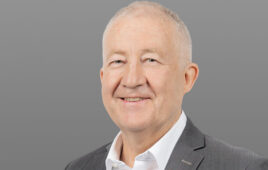
Artedrone CEO Liane Teplitsky [Photo courtesy of Artedrone]
Formerly head of global robotics at Zimmer Biomet, Teplitsky is now leading France-based Artedrone, which is developing a microrobotics system for autonomously clearing blood clots from stroke patients.
“Now that we’ve really got some good momentum and know the path forward, we’re going to be adding a lot of people,” she said in a Medical Design & Outsourcing interview where she described who she’s looking to hire and offered advice for medtech pros..
Teplitsky will speak on a panel exploring the future of neurovascular intervention at DeviceTalks West, Oct. 15–16, 2025 in Santa Clara, California. Register at West.DeviceTalks.com.
Artedrone has about 15 employees and has been hiring engineers in France, with the R&D team currently based in Paris. But the company plans to build out its U.S. operations and scale its R&D efforts, with significant hiring through 2026 and into early 2027.
“I’m looking for people that really want to make a difference in patient lives,” Teplitsky said. “That’s why most of us are in medtech. But the startup world is more challenging with the ups and downs of early stage, so [we’ll need] people who have that fortitude, who are ambitious, who love innovation and a great challenge. I’m looking, obviously, for highly competent engineers … but that personality type who wants to get in there and have fun, really figure things out and bring a solution to market that’s going to be super impactful.”
Remote medtech jobs: These medical device employers have remote job openings
Get ready for some high-fiving if you join the team. Teplitsky is known for going up top to celebrate her team’s accomplishments.
“You can get beat up or get down,” she said. “There’s always going to be struggles, there’s always going to be obstacles. Be very consistent in recognizing when things go well, and when people do great things make sure they know that and are recognized for it and can feel good.”
Teplitsky’s been zealously slapping skin for decades, dating back to when she was in a German cath lab for an electrophysiology clinical trial. The doctors surprised her by celebrating their first completed case with high fives all around, including the conscious sedated patient.
“I just loved that camaraderie, the collaboration, the teamwork that it brought together,” she said. “You can’t high five yourself. You have to high five others.”
She had advice to help other medical device developers capitalize on them.

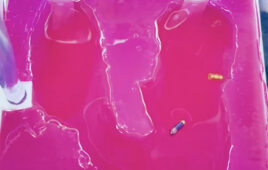
The mechanical thrombectomy catheter in Artedrone’s Sasha system moves with the flow of blood toward the blood clot for capture and retrieval using suction. [Illustration courtesy of Artedrone]
She also offered more general advice for making it in the medical device industry.
“Just enjoy the journey,” she said. “I have always run to work because I have loved what I’m doing. If you love what you’re doing and you’re really passionate about it, you’ll bring energy that otherwise is hard to find.”
“I’ve also taken a whole bunch of leaps of faith and not necessarily known every little detail about the next thing and what exactly it’s going to mean,” she later continued, “but knowing enough about it to say, ‘That could be really cool.’ … I want to bring new stuff to market and I want it to be impactful. There’s a lot of other stuff that’s going to surround this, but if those two things are true, I’m going to just jump in and give it my best shot. I’ve been really lucky. It’s worked out well for me so far.”
MDO Min-Vasive Medtech: Watch on-demand interviews and audience Q&As with minimally invasive engineers from Edwards Lifesciences, Jupiter Endovascular and Compremium