Sebela’s Miudella is the first hormone-free IUD approved by the FDA in four decades and the first IUD to use nitinol.
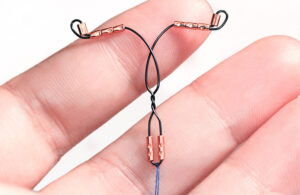
The Sebela Pharmaceuticals Miudella is the first IUD to use nitinol. [Photo courtesy of The Sebela Pharmaceuticals]
Miudella is a hormone-free copper IUD intended to prevent pregnancy for up to three years. It is the first hormone-free IUD to win FDA approval in 40 years and the first IUD to use nitinol. The device was developed by the Sebela Women’s Health division of Sebela Pharmaceuticals.
Nitinol’s ability to be compressed into an insertion tube and then self-expand to fit inside the uterus without compromising the structure of the device is behind the latest innovation.
Nitinol innovation: Download MDO’s free special report featuring nitinol expertise and tips from medical device OEMs
“Considering it has been four decades since we’ve been able to offer women a new hormone-free IUD option, I find the clinical data supporting Miudella efficacy and safety to be very exciting,” Dr. David Turok, a professor in the Department of Obstetrics and Gynecology at University of Utah, said in a news release. “This innovative intrauterine device may allow for improvements in discontinuation rates due to pain and bleeding and in expulsion rates. This would be very meaningful for women looking for hormone-free options.”
Turok was the principal investigator on the pivotal trial ahead of the FDA approval.
Other hormone-free IUD options are made of rigid plastic and can cause discomfort and bleeding leading to discontinuation of use.
Nitinol’s flexible composition allows the Miudella IUD to be smaller (32 mm wide and 30 mm long) and adapt to a variety of uterus shapes after insertion. The device comes preloaded in an insertion tube that is more narrow than previous IUD applicators and has polypropylene monofilament retrieval thread attached for device removal.
The positioning of 10 copper sleeves on the Miudella IUD near the cervix and uterine horns allow the device to achieve equitable efficacy with 175mm² of copper, less than half the dose of currently available copper IUDs, Sebela says.
Copper ions are toxic to sperm and prevent implantation of a fertilized egg. Copper IUDs also cause side effects in some users who report heavier, longer periods and breakthrough bleeding.
“It’s also promising that bleeding and pain observed in some participants dramatically decreased after the first three months of use, as tolerability is a key aspect of a long-acting, non-hormonal option,” Turok said of Miudella.
Related: As IUD demand surges, CooperSurgical designs new Paragard placement system