
“You must take every chance you get,” says Intuitive Global VP of Cardiac Surgery Darla Hutton. [Photo courtesy of Intuitive]
Our DeviceTalks Weekly podcast interviews with successful medtech leaders show that anyone wanting to build a career in medical devices will have to check many of the same boxes used by entrepreneurs.
We’ve done more than 300 podcast episodes, and I’ve selected a few where we unpacked the hows and whys of a successful medtech career with professionals ranging from startup CEOs to business leaders at major OEMs.
Medtech Big 100: Join MDO editors for a discussion of the top movers and trends in our upcoming ranking of the world’s largest medical device companies
The steps they suggest will look familiar to anyone who has designed, developed and built a medical device.
Find the unmet need in your resume
Amaza Reitmeier says medtech professionals need to ask what’s missing. She credited Medtronic’s talent development ethos for creating opportunities, but the onus falls upon the employee to “be extremely clear-eyed about what you don’t know how to do,” she said.
“I had a little matrix of basically 10 skills I knew I would need to have to run a business,” Reitmeier said. “And I got advice from my mentors saying, ‘Here’s the things you’re good at, but here are the things you know nothing about.’”
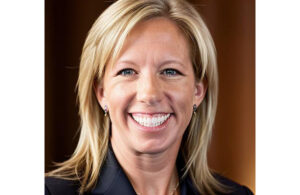
Pharaoh Neuro CEO Amaza Reitmeier [Photo courtesy Pharaoh Neuro]
Reitmeier built her career at Medtronic with a large corporate career in mind, but she recently took the CEO job at startup Pharaoh Neuro, which is developing a way to filter cerebrospinal fluid.
Be comfortable taking risks
Any successful innovation requires a risk of capital or time. Risk is also essential to finding career success, and the good news is tolerance for risk can be taught.
Successful people don’t learn by just reading and observing, Reitmeier said. They step into the fray and, often, learn the hard way.
“You have to go in [and] you have to make mistakes,” she said. “You have to screw up. You have to have people help you and just be super humble about things you don’t know.”
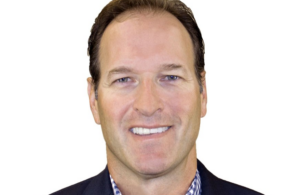
OrthAlign CEO Eric Timko [Photo courtesy of OrthAlign]
“You’re going to get a ton of nos,” Timko said. “But then you start figuring out what a yes looks like and what it took to get there. And I think once you figure that out, it gets a little bit easier. I tell my team all the time, ‘Let’s try to open doors. The ones that close, don’t leave them closed. Keep hitting them.’”
Stay focused on the big picture
When developing medical devices or a medtech career, there will be setbacks and sidetracks.
But young people need to focus on the moment, even if you’re working in a field that isn’t a long-term fit, said Darla Hutton, global VP of cardiac surgery at Intuitive. She joined the surgical robotics giant to build out a cardiac surgery franchise, but when Intuitive changed direction to focus on urology, Hutton set out to excel in that field.
“Bloom where you’re planted. You must take every chance you get,” says Hutton. “Take advantage of that, and you can move into different roles.”
Eventually, your career path may steer back to your original course “because you’re focused on skill development and experience versus just title and job.”
Collect honest data

Armor Medical CEO Kelsey Mayo [Photo courtesy of Armor Medical]
Medical device entrepreneurs need to know whether they’re chasing a real signal, she says, and medtech professionals should aggressively seek feedback.
“You have to leave your ego on the table a little bit and be willing to throw your ideas out in the world to people who are going to challenge them,” Mayo said. “You have to be willing to have them take their red pen out and mark all over your ideas and give it back to you, bleeding essentially on a sheet of paper, and go, ‘OK, we can make it better.’”
Be sure you add value
Blake Tatum, VP of U.S. commercial for acute care and monitoring at Medtronic, has been with Medtronic (and with Covidien before Medtronic bought it) for most of his career. Beyond learning what you don’t know, he advises making sure you’re always adding value.

Medtronic VP of U.S. Commercial for Acute Care and Monitoring Blake Tatum [Photo courtesy of Medtronic]
If your expertise is in respiratory but you need to talk with a cardiac surgeon, ask questions and study enough to ask the right questions so you’re a valuable part of the team.
“You’ve got to be able to understand a given space within medtech and execute strategically.”
Whether you’re building a career in medtech or building new medical devices (most likely, you’re doing both at the same time), you need identify what needs fixing, take the risk to fix it, stay focused on your larger mission, test assumptions, and bring real value. And if you do that, someday on the podcast I’ll be interviewing you!
Read more: Medtronic exec Blake Tatum’s advice on building a successful medtech career