It is estimated that 60 to 70 percent of all hospital admissions are due to surgical interventions and account for more than 40 percent of the total expenses of a hospital. When this high-volume and high-investment clinical area experiences delays, it can significantly impact a healthcare organization’s bottom line.
By carefully considering the equipment and technology used in surgical areas, healthcare organizations can identify the core causes of OR delays. Armed with this information, providers have a real chance to reduce costs while also improving clinical safety and quality.
To learn more, Surgical Products interviewed Michele Curtis, associate marketing director at Halyard Health.
What are some of the common causes of OR delays that you discuss with customers?
We see delays in surgery for a host of reasons. There are, of course, the nonclinical issues such as postoperative bed and staff availability. Then there are the equipment and supply challenges. These can include damaged instrument containers that require replacement sets or re-sterilization, or wrong sizes or mix of products available in the OR leading to confusion, waste, or incorrect usage.
For example, if gown protection levels are not clearly evident to surgical team members, this can lead to searching for the correct protection level for the surgical case or not being adequately protected from infection. We also see delays when facemasks are causing discomfort, fogging, or allowing for fluid strikethrough.
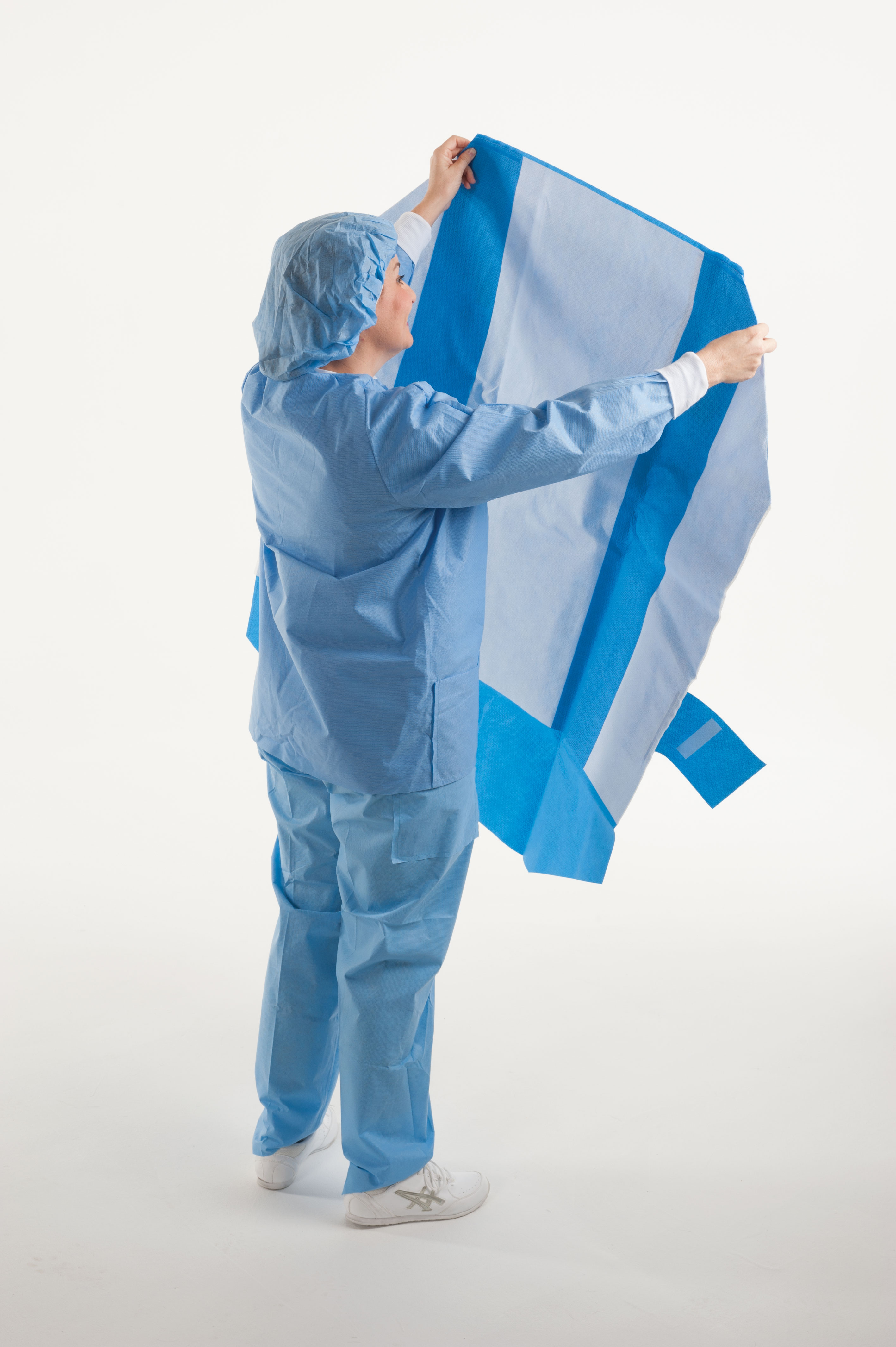
Finally, if healthcare organizations rely on generic products we often see issues. For example, relying on multiple layers of general-purpose surgical drapes without built-in features to control lines and instruments can lead to delays when needing to replace dropped instruments.
(Image credit: Halyard Health)
In some of these examples, we’re talking just a few minutes here and there. What can this translate to for healthcare organizations in dollars and cents?
It’s estimated that delays in the OR could cost healthcare organizations $62 per minute or more. We’ve looked at one study of operating room costs, where hospitals cited rates ranging from $22 per OR minute for a less complex procedure and up to $130 per minute for a high complexity case.
At the rate of $62 per minute, replacing an instrument set — depending on whether using Immediate Use sterilization (IUSS), or getting a terminally-sterilized replacement set from Sterile Processing — can cost a healthcare organization approximately $496 to $3,720. Using the same cost per minute estimate, the 10 to 15 minutes it can take for a clinician to break scrub and re-gown if they experience blood strikethrough can equate to $620 to $930.
While exact billing rates vary from hospital to hospital, based on this data, we can see that OR delays of any kind can present a significant cumulative financial impact for healthcare organizations. Additionally, OR delays can be a barrier to optimal patient flow and clinical collaboration, raise patient anxiety levels, and ultimately put patients at risk.
Do hospitals have to accept this as the cost of providing patient care, or is there something they can do?
We need to have the right plan and equipment in place for each procedure. Hospitals should start by working with their suppliers to plan for and ensure the right mix of supplies for each procedure, helping to reduce waste and minimize costs.
Every operating room has unique needs and requirements, so at Halyard, we offer a service to our customers called OR Efficiency Planning, working with hospitals on an ongoing basis to reduce duplication, waste and costs by providing product solutions that best fit each institution’s clinical performance requirements.
A next step is to use equipment monitoring and tracking systems, which can help OR staff easily locate products and equipment to help ensure they arrive at the OR when they’re needed. Similarly, patient and personnel tracking systems can keep staff apprised of where patients and OR team members are (and where they’re scheduled to be) so that they can confidently plan for each procedure.
(Image credit: Halyard Health)
What other steps can hospitals take to ensure OR efficiency while also maintaining clinician comfort and patient safety?
Hospitals should also ensure that products used in the OR are designed to mitigate potential for failures that can lead to OR delays. Purposeful design is one way. Our SMART-FOLD* Sterilization wrap is 61 percent heavier in the critical zones than competitive heavyweight wraps, to help reduce the risk for tears or holes.
Similarly, our procedure-designed drapes, which include features such as instrument pad reinforcements, instrument pouches, tube and line controls, and specific shapes and sizes designed to meet the needs of each procedure.
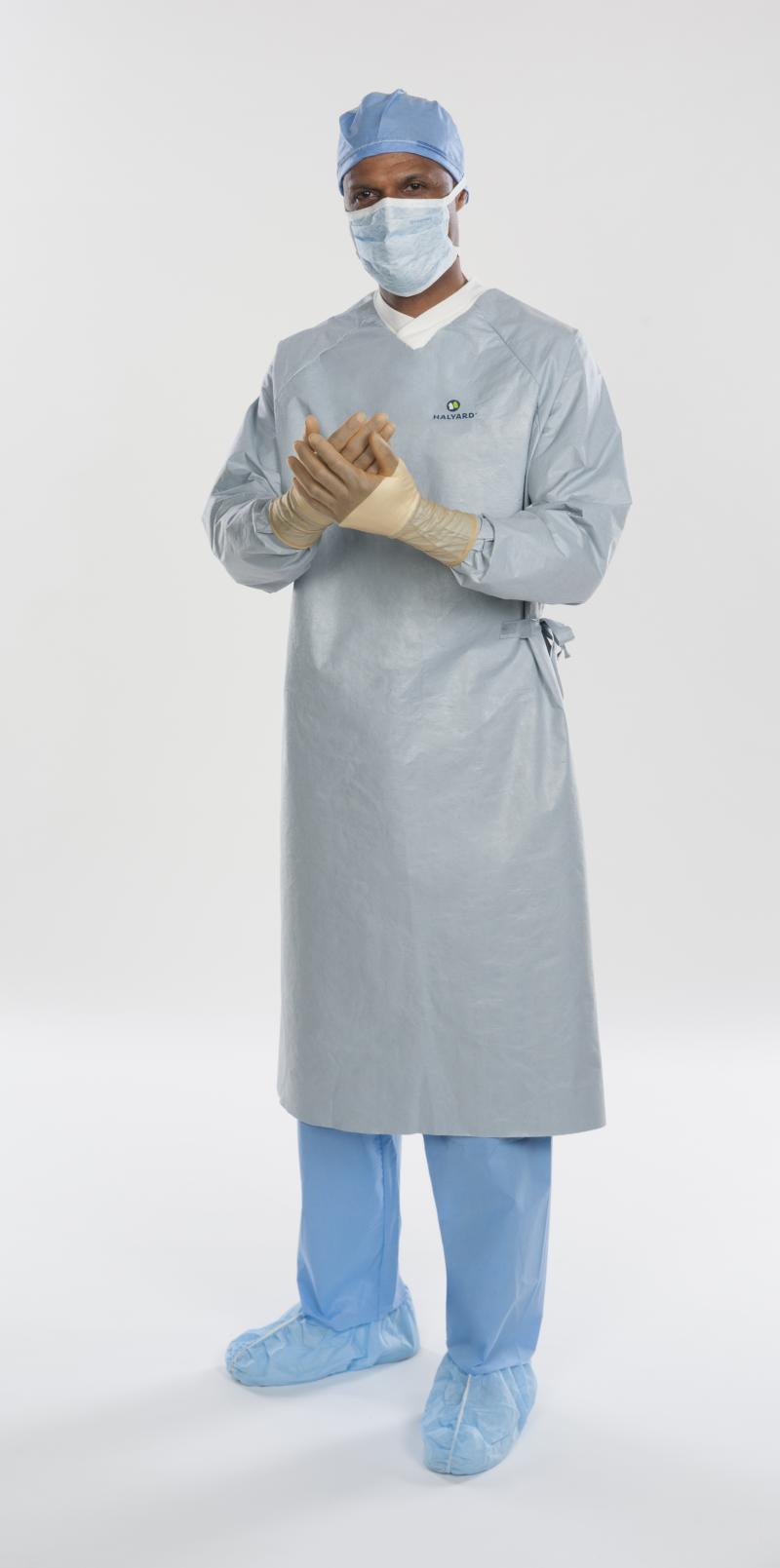
Differentiating factors, as seen in the unique colors of our AERO SERIES* gowns, help surgeons determine that they are selecting the right level of AAMI protection for specific types of procedures. The AERO CHROME* Breathable Performance Surgical Gown, for example, has a distinct color and overall design to make it easier for clinicians to identify and select the appropriate AAMI Level 4 protection for longer, high-fluid procedures.