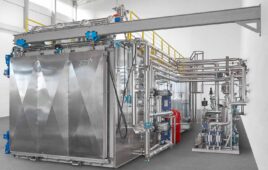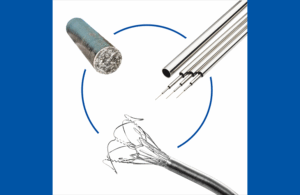
Resonetics controls each step internally, from melting through tubing fabrication. [Image coutesy of company]
Resonetics experts explain how vertical integration offers stability amid a changing market.
By Eric Veit and Rich LaFond, Resonetics
The nitinol supply chain for medical devices is undergoing a profound transformation. Recent years have seen material shortages, consolidation among suppliers, exclusivity agreements, and access constraints that have forced both tubing producers and device OEMs to reevaluate sourcing strategies. Then add on the challenges posed by global disruptions in recent years, from COVID-19 to climate change to fluctuating inventory levels. It has all exposed vulnerabilities in traditional supply models, prompting manufacturers to seek secure and reliable alternatives.
Resonetics’ approach
In the past, nitinol supply chains often involved multiple handoffs between melt shops, hollow producers, and tube processors. Think complexity, cost, and the potential for delay.
At Resonetics, we control each step internally, from melting through tubing fabrication. The result for our customers is unmatched consistency, speed, and supply security.
Resonetics has invested in expanding its melt capacity and recently brought gun drilling operations in-house following the acquisition of Medical Components Specialists’ gun drilling capabilities and equipment. These moves have reduced reliance on external processors and ensured production remains closely aligned with customer timelines. Inventory buffers and Kanban systems at every major step allow us to respond rapidly to market needs
It’s about keeping the flow steady, even when external factors threaten to disrupt supply.
Independence and flexibility
Unlike some competitors tied to exclusive supply arrangements or consortia, Resonetics operates independently. This independence translates into direct access to ingot and melt capacity without the constraints of exclusivity. Our approach provides a path that is secure, U.S.-based, and designed for medical device OEMs.
Strategic advantages for OEMs
For medical device companies, the benefits of vertical integration are tangible. Working with a single supplier from melt, finished tube, and even component streamlines coordination, eliminates supplier risk, and clarifies costs by avoiding the margin stacking common to multi-party supply chains.
At Resonetics, we’ve been successfully providing ingot to the medical device industry for over 35 years. History matters, and the trust we’ve built with regulators mean that ourcustomers can better navigate qualification barriers for new programs.
Conclusion
The nitinol supply chain landscape will continue to advance, and Resonetics’ advantage is that we have a fully integrated model that prioritizes quality, control, and capacity. For engineers, sourcing managers, and executives seeking a secure path forward, the company offers not just a different supply chain, but a smarter, more resilient one.

Resonetics Nitinol Business Development VP Eric Veit [Photo courtesy of Resonetics]

Rich LaFond, VP of operations at Resonetics.
Rich LaFond is VP of operations at Resonetics. LaFond has a background in mechanical engineering and supported the nitinol component group at Memry (Bethel, Connecticut) from 2001 to 2012. In 2013, he transitioned to leader of the nitinol ingot melting operation at SAES Smart Materials (New Hartford, New York) and continues his leadership and expertise in nitinol ingot melting at Resonetics today.
The opinions expressed in this blog post are the author’s only and do not necessarily reflect those of Medical Design & Outsourcing or its employees.