 Baxter is limiting how much saline, dextrose and PD solution products its customers can order as it works on restoring its North Cove site in Marion, North Carolina, which Hurricane Helene flooded.
Deerfield, Illinois–based Baxter yesterday said, “We are working with the greatest urgency, but we do not yet have a timeline for when operations will be back up and running.”
According to media reports, hospitals across the country are facing disruption in the supply of some sterile intravenous fluids used in everything from intravenous dialysis care to some surgeries. Mike Ganio, senior director at the American Society of Health-System Pharmacists, told Axios that on top of taking stock of inventories, hospitals should be taking mitigation efforts such as having patients hydrate orally when possible and delivering medications via syringes rather than IV drips.
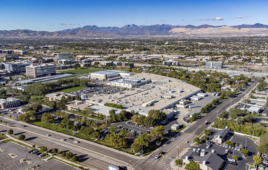
Opened in 1972, Baxter’s North Cove facility is the largest manufacturer of intravenous and peritoneal dialysis products in the United States, according to the company. The 1.4-million-square-foot facility employs 2,500 people. With cell phone access still a problem in the area, Baxter was still trying to reach some of its North Cove employees as of yesterday to confirm their well-being, though it had reached the vast majority of them.
Baxter said it has remediation firms already on site, with roughly 500 workers in action. The number of workers seeking to restore North Cove will double over the next week.
Here’s more from Baxter about efforts to restore operations at the North Cove facility:
“As shared in our press release, bridges to our site were damaged in the storm. One access point requires re-establishing the county-maintained bridge. This will allow us to both transport remediation equipment to the site and get some finished goods that were stored in trailers and not impacted by the storm to our customers and patients. Our team has worked diligently to establish a temporary bridge to support limited transfers, and with tremendous support from state and local officials, ASPR and FEMA, we expect a permanent bridge will be installed by the Army Corps of Engineers and North Carolina Department of Transportation in the coming weeks.”
On top of limiting orders, Baxter is also working with the FDA to use more of the company’s global manufacturing network to help mitigate potential supply problems.
This isn’t the first time that a hurricane had a significant impact on medical device companies. In September 2017, Hurricane Maria took Medtronic’s four manufacturing plants in Puerto Rico offline for nearly two weeks; the cost for Medtronic was $60 million. With climate change causing ever more extreme weather events, medical device manufacturing companies and corporations, in general, are increasingly seeking to innovate their supply chains to make them more resilient to the challenges.